
A Dose of Vitamin A
Vitamin A pioneered sustainable swimwear, designing pieces that allow beachgoers to benefit the very environment they’re immersed in, simply through what they choose to wear.
By Eva Grunburg
Long before sustainability was sexy, back when raw synthetic fibers reigned and plastic was synonymous with production, one brand paved the way for environmental conservation in the swimwear industry.
What the world needed, it turned out, was a dose of Vitamin A.

Founded in Southern California over 25 years ago by Amahlia Stevens, the ripple effect of Vitamin A shifted the tides of the swimwear industry. Inspired by the earth’s natural beauty, California minimalism, and a refined modern spirit, Amahlia blended her passion for clean design and clean manufacturing with her love of nature. She not only created an elevated brand with vibrant collections that effortlessly take beachgoers from day to night, she also made sustainability not just granola, but mainstream.
While Vitamin A spearheads sustainability through their use of recycled materials, production processes, recycled and recyclable packaging, and water conservation, it is their fabric innovation that sets them apart most. The team has spent decades perfecting recycled textiles that feel incredibly soft, have an uncompromising fit, and maintain their integrity season after season.

After working tirelessly with mills in Italy, Canada, and California, Vitamin A introduced EcoLux™ in 2010: the first luxury swim fabric made from recycled nylon fibers. “It was a pivotal moment, not just for Vitamin A, but for the swim industry at large,” says Katie Dawley, Brand President of Vitamin A. “We often heard that recycled textiles were too niche or too complicated… Our early conviction is what allowed us to help shape the standards that are now becoming industry norms today.” Not only is their innovative EcoLux™ fabric high quality and flattering, it is made from pre-consumer waste and recycled plastic bottles that would otherwise end up in a landfill, or worse…end up cast off to sea, and harming fragile marine ecosystems.
Whether a skin-tight suit or flowy linen matching set, Vitamin A’s timeless silhouettes are proof that sustainability and style can coexist. I asked Katie which Vitamin A pieces are her favorites (on behalf of my soon-to-be summer wardrobe). She shared a few options, because “Our latest collection makes it impossibly difficult to choose.”

She’s partial to the Playa Linen Boyfriend Shirt, which can be simply worn with jeans or dressed up with its matching linen pants, and comes in 28 different sunny shades and patterns. Half of a classic set that can be worn to the beach, to date night, or to the office, Katie’s worn the Getaway Pant to all three occasions and more. She also owns the Coast Oversized Boyfriend Tee in every color as an effortless everyday staple. Her current go-to swimsuit is the versatile Milana Bikini Top, which actually counts as multiple favorites as it can be worn over six different ways. Last but not least, to accessorize, she recommends the Paloma Clutch and Tulum Bucket Hat, which are intricately handcrafted and colored using plant and vegetable dyes.
While sustainability is certainly popular these days, Vitamin A knows it’s anything but a trend. The brand recognizes its impact on the environment as well as its own brand ecosystem, establishing intentional partnerships with mills and factories that align. Most notably their new accessories partner who employs craftswomen who spend 12-48 hours crafting each piece. When you’re wearing Vitamin A, you’re likely out and about, enjoying the planet. What’s less obvious is that you’re directly benefitting the environment you’re in by choosing Vitamin A.

As the seasons change and swimwear lovers stock up, it’s imperative for consumers to consider the long-term impact of their choices. Katie advises, “Invest in pieces you truly love and wear them often. Care for them well. Longevity is an often overlooked form of reducing waste. Own fewer things and make them last.”

Paloma Clutch 
Soleil Sarong 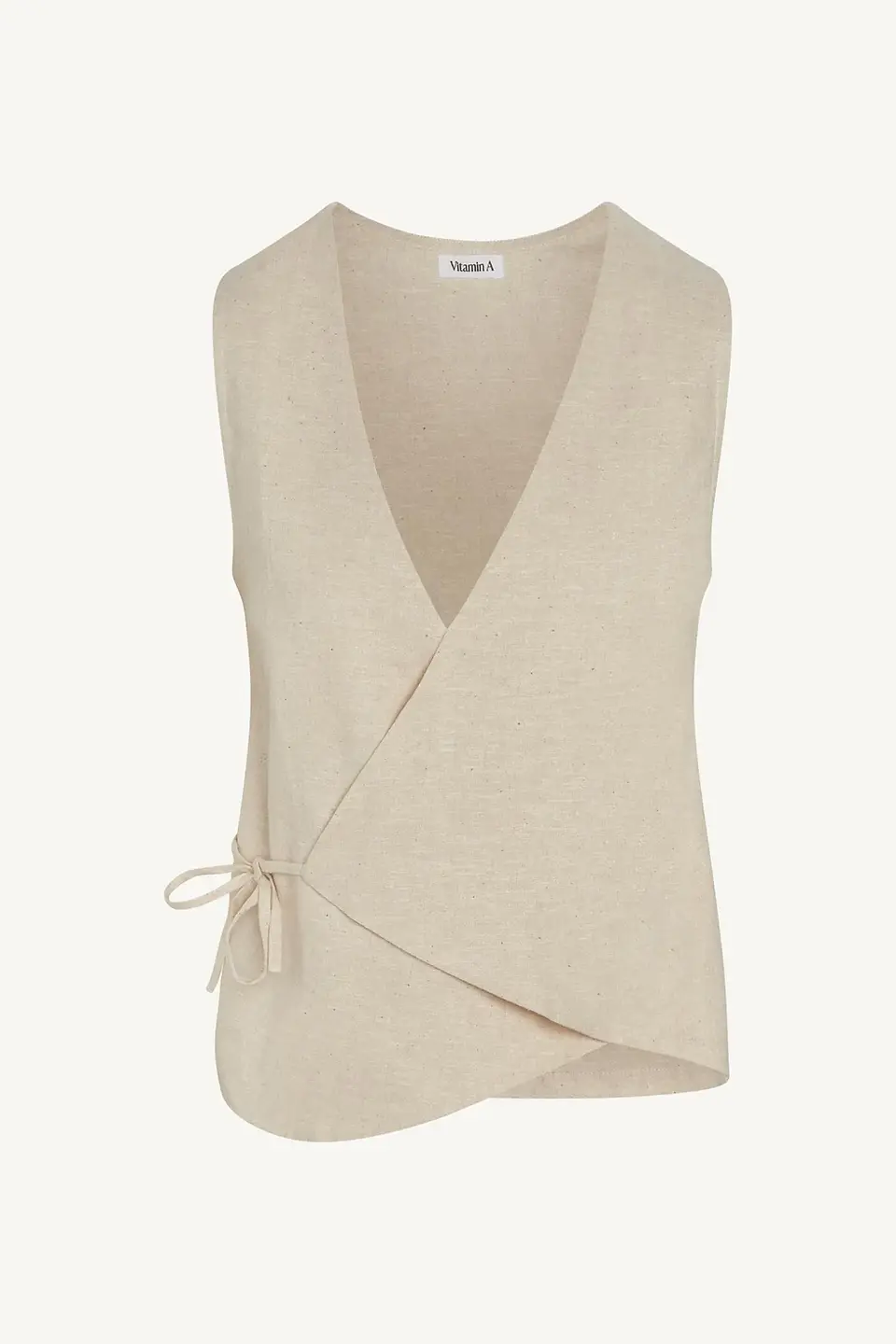
Valencia Vest 
Ada Onepiece



Comments